The Allure of Chance
The psychology of casino games revolves significantly around the allure of chance. Players are naturally drawn to the unpredictability of outcomes, which creates excitement and hope. This thrill is often heightened in environments designed to engage the senses, such as the sights and sounds of spinning slots and clinking chips. The anticipation of winning taps into inherent human emotions, making the experience not just about gambling but about seeking pleasure and enjoyment. In fact, some players may even prefer no verification online casinos that allow them to play without delays caused by unnecessary checks.
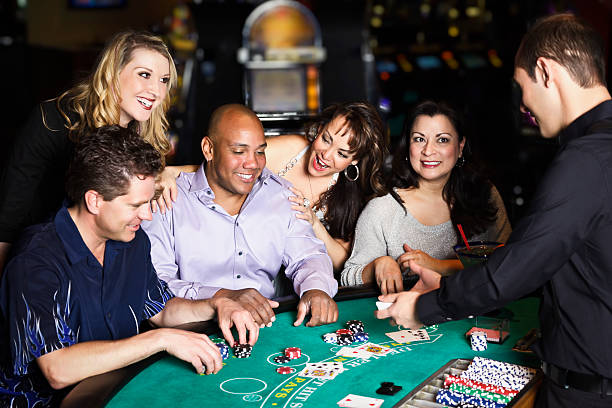
Moreover, the randomness of games like poker, blackjack, and slot machines plays into the cognitive biases that influence decision-making in uncertainty. Players often develop a false sense of control, believing they can influence outcomes, which further entices them to play despite the odds being stacked against them.
The Role of Reward Systems
Understanding the reward systems at play in casinos provides insight into player behavior. Casino games are designed with built-in reward mechanisms that trigger the brain’s pleasure centers, akin to addictive behaviors seen in substance abuse. These rewards can range from immediate payouts to bonuses and loyalty programs that enhance the gaming experience, creating a cycle of anticipation and gratification. Unknown to many, these triggers are designed to keep players engaged for extended periods.
This dopamine-driven cycle keeps players engaged, often leading them to favor short-term rewards over long-term financial stability. Knowing that their next bet could lead to a big win, players are often compelled to continue gambling, despite potential losses. This creates a complex relationship with risk and reward that is pivotal in understanding how players interact with casino environments.
The Social Dynamics of Gambling
Casino games also incorporate social dynamics that influence player behavior. The ambiance of a casino, filled with fellow gamblers, encourages socialization and shared experiences. This communal atmosphere can amplify the excitement of the games, making players feel more connected and invested.
Additionally, various games often involve a competitive element, where players pit their skills against one another, fostering a sense of camaraderie or rivalry. These social interactions can lead to heightened emotional responses and an increased likelihood of gambling, as the shared experience can diminish the perception of risk and amplify enjoyment.
The Impact of Environment and Design
The physical design of a casino significantly impacts player psychology and behavior. From lighting to layout, these spaces are meticulously crafted to encourage prolonged play. Bright lights, enticing sounds, and an absence of clocks create an immersive environment that distracts players from time and money spent.
Moreover, using strategies like free drinks and comped meals keeps players comfortable and engaged, making them more likely to gamble longer. This environment, coupled with the psychological hooks of the games themselves, ensures that casinos create an attractive yet potentially exploitative space for players.

Conclusion: Understanding Player Behavior in the Digital Age
As gaming moves online, understanding the psychology behind player behavior is more crucial than ever. Online casinos replicate many of the psychological triggers found in physical venues, from loyalty programs to interactive features that build engagement. However, the digital landscape presents new challenges and opportunities for understanding player motivations.
In this evolving environment, analyzing how players interact with casino games becomes essential for both operators and regulators. By prioritizing responsible gaming and incorporating insights from psychological research, the online gaming industry can create a safer and more engaging experience for all players.
